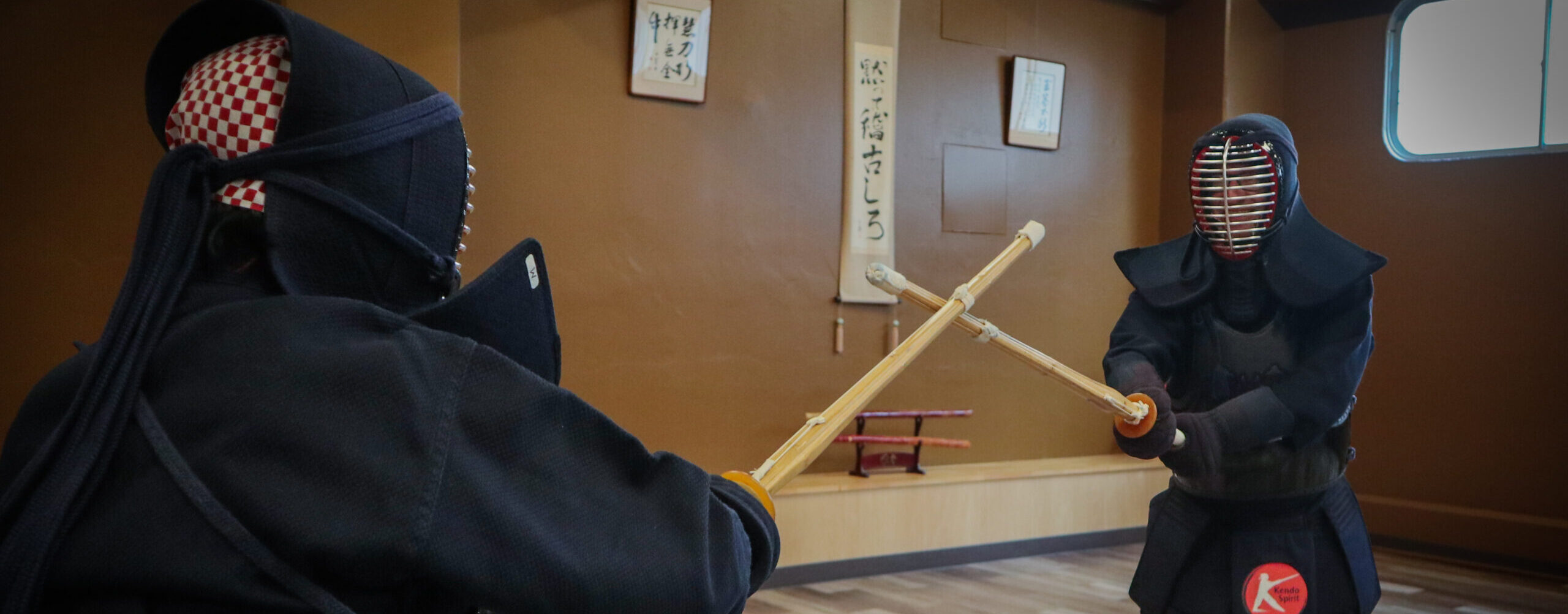
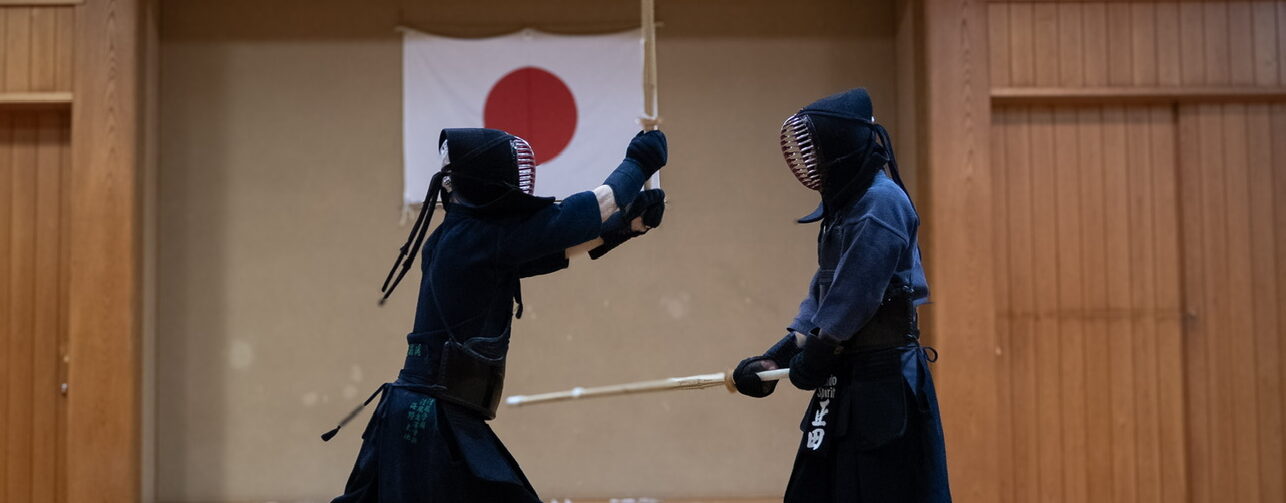
Introduction
I hated kendo.
When I graduated from high school, I made a promise to myself that I would never practice it again. Yet today, I am the founder of Kendo Spirit. I spend almost every day thinking about kendo and sharing it with people from around the world.
It may seem like a complete contradiction, but looking back, I realize that the core of who I am has never really changed. As a child, my parents used to call me “Mr. Why.” I constantly asked, “Why?” about everything and refused to let go until I was satisfied. That part of me has never changed.
After my biggest defeat in high school, I kept asking myself why I had lost. When I had to give up studying in the UK, I asked myself what I should do next. When the company I had joined went bankrupt, I asked myself how I could turn that experience into something meaningful.
Even after I began teaching kendo, I found myself asking new questions. Why do we bow? Why do we practice Bushido? What is the true essence of Japan?
It was through constantly asking those questions that I eventually found Kendo Spirit. On this page, I share the journey of my life, the way I think, the choices I have made, and how they ultimately led me to Kendo Spirit.
My Journey
Growing Up with Kendo
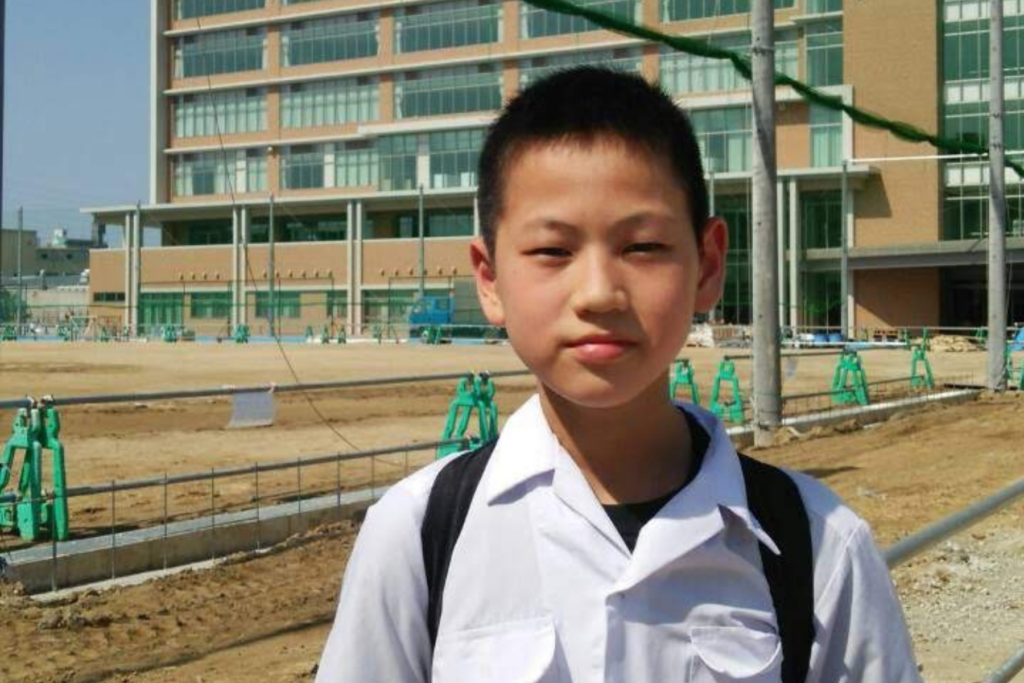
I first picked up a shinai when I was five years old. My two older sisters practiced kendo at a local dojo in Osaka, so I often went there with my family when I was very young. Watching my sisters swing their shinai and seeing the adults train with such focus and determination, it didn’t take long before I wanted to join them myself. As the youngest child in the family, picking up a shinai felt like the most natural thing in the world.
During my first year, I trained without wearing armor. My instructors patiently taught me the fundamentals, such as footwork and suburi (basic swinging practice), one step at a time. One memory from those days still makes me smile. During one break, I accidentally fell asleep. Since nobody woke me up, my five-year-old self came to an important conclusion: if I was sleeping, I wouldn’t be disturbed. After that, I often tried to sleep during breaks. To be honest, many of those naps were only pretend.
By the time I entered elementary school, I began wearing armor and started training seriously. Most of the students at the dojo were older than me, and as a small child, simply keeping up with the training was a challenge. There were many practices so demanding that I wanted to cry. Even so, I never ran away or quit halfway through a session. I was extremely competitive, and all I knew was to keep giving it everything I had.
The effort gradually paid off. I won most of the local city tournaments I entered. However, once I competed at the prefectural level in Osaka, I quickly realized how much stronger the competition was. There were many children my age who were far better than I was, and I understood that I still had a long way to go.
I continued training at my local dojo throughout junior high school. At the time, many of the strongest young kendo players joined elite junior high school teams and trained in highly competitive environments. I, however, felt little sense of urgency. I genuinely believed that if I worked hard enough in high school, I could become the best in Japan. Looking back, it was an incredibly naïve way of thinking. Even so, I truly believed that once I entered high school, I would simply outwork everyone else.
When it came time to choose a high school, I set my sights on Seifu High School, one of the strongest kendo schools in Osaka at the time. Some senior members from my dojo had gone there, and I attended one of their practices before applying. During a conversation with the head coach, he asked me, “What is your second-choice school?” Without hesitation, I answered, “I’m only considering Seifu High School.” He smiled and replied, “You should always have a Plan B. Surely there must be another school you’ve considered.” But I gave exactly the same answer: “I’m only considering Seifu High School.”
He looked slightly surprised by my determination, but in the end, I was accepted through a kendo sports recommendation.
I never told him this, but that “second-choice” school would later become the team that defeated us in the match I wanted to win more than any other in my life. Of course, at that moment, I had no way of knowing what lay ahead. I was simply full of hope.
High School: Living and Breathing Kendo
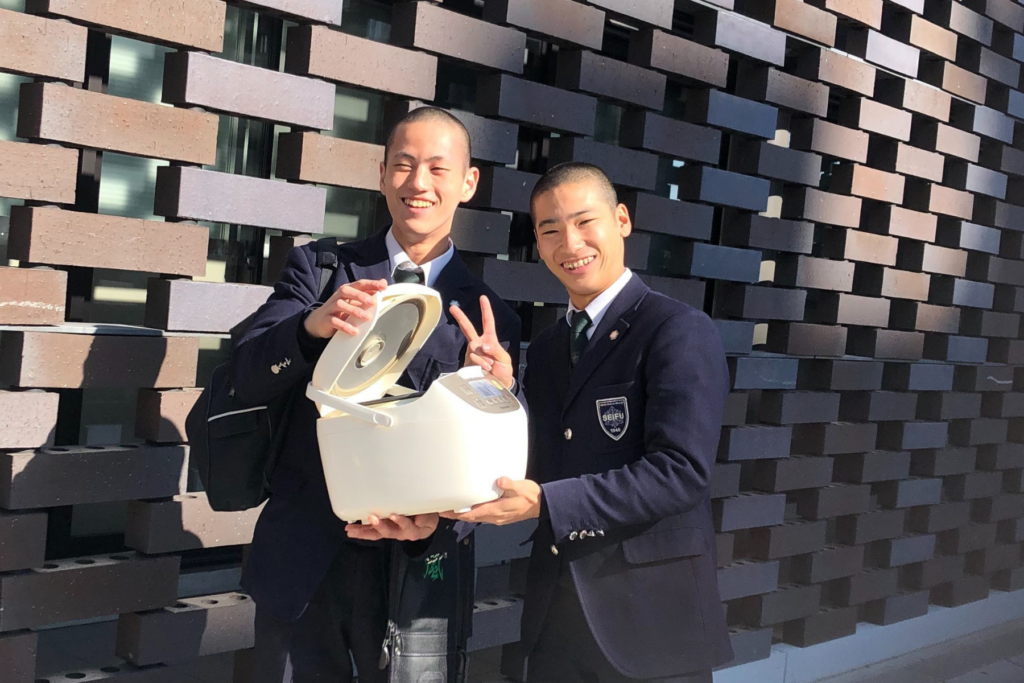
I entered Seifu High School with one dream: to become the best kendo player in Japan.
Reality, however, was far more difficult than I had imagined. My teammates were not only among the best in Osaka, but many had come from other prefectures across Japan. Compared to them, I had spent my junior high school years in a much less competitive environment. Before I could even think about becoming the best in Japan, simply earning a place on the team was a challenge.
At our very first practice match as first-year students, all nine freshmen formed a team together. My coach assigned me the position of second reserve, which meant I was ranked seventh out of the nine first-year members. Of course, I was disappointed. But even then, I believed, “I’m just getting started.”
I knew that hard work was essential. My father had always told me, “Time never comes back.” Those words stayed with me. So I decided that I would do everything I possibly could. I aimed to finish first in every morning run. I trained harder than anyone else in the weight room. After regular practice ended, I often stayed behind to continue practicing alone.
Little by little, the results began to show. In our internal ranking matches, held only a few times each year, I gradually climbed the rankings. Eventually, I even finished first on one occasion. Looking back now, I can honestly say that I gave everything I had. Of course, there are things I would do differently today, but I have never once thought, “I should have worked harder.” That is one regret I simply do not have.
Then came the final tournament of my high school career: the Osaka qualifying tournament for the National High School Championships. For three years, everything we had done had been for this day. We truly believed we could win.
We advanced through the tournament and reached the final. Our opponent was the very school my coach had once suggested as my “second choice.”
I wanted to win more than anything.
But during my match, I hesitated for just a fraction of a second.
That single moment was enough.
My opponent seized the opportunity, and I lost. My defeat proved decisive, and our team lost the championship.
I had never cried so much in my life, nor had I ever experienced such overwhelming disappointment.
Even after graduating, that defeat never left me. The decisive moment replayed itself in my mind over and over again. For more than a year, there were nights when I couldn’t sleep because I kept reliving it. I couldn’t even watch kendo videos anymore. The sport I had loved for so many years had become something I couldn’t bear to look at.
At that point, I made a promise to myself.
I would never practice kendo again.
Discovering the World Through English
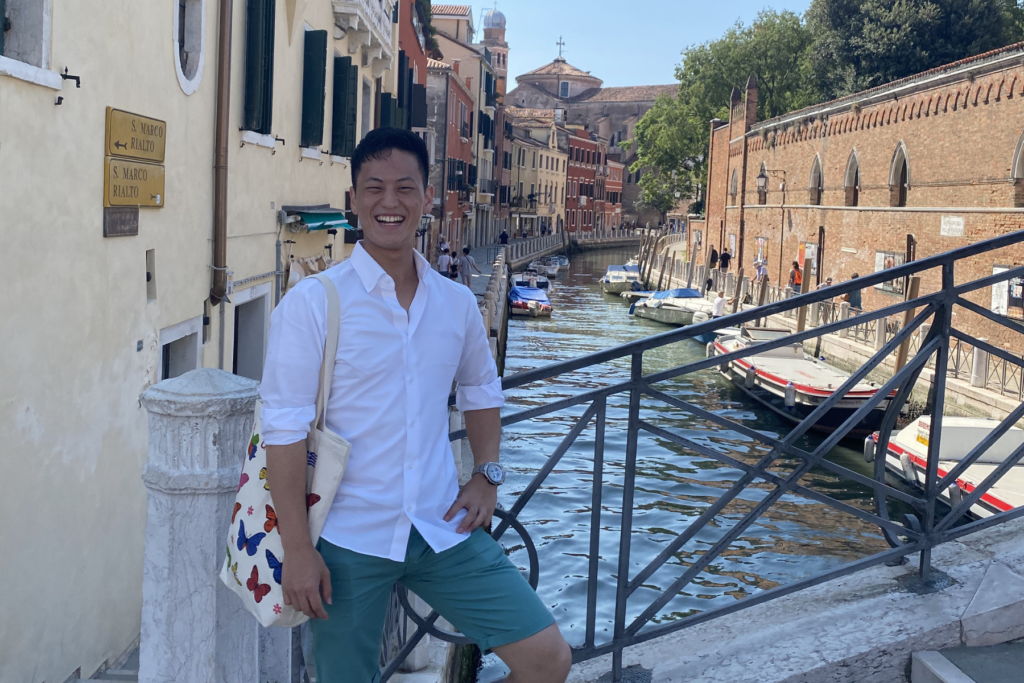
When I graduated from high school, I had no intention of continuing kendo. Instead, I wanted to learn something new that would shape my future. I decided to devote myself to learning English, a language that had fascinated me for many years.
I believed that if I truly wanted to master English, staying in Japan was not the fastest way. My goal became studying at a university in the United Kingdom. To be accepted, I needed to demonstrate a high level of English proficiency—roughly equivalent to the Eiken Pre-1 level in Japan. At that time, however, my English was extremely poor. Until then, my life had revolved almost entirely around kendo, and I still remember scoring in the low 30s on standardized English tests. There were only about six months left before I needed to take the English examination for my university application.
Looking back, it was an ambitious goal. But at the time, I genuinely believed, “If I work hard enough, I can do it.”
And I did.
I reached the required level, received an offer from the university I had hoped to attend, and was just one step away from enrolling.
Then COVID-19 changed everything.
As the pandemic spread across the world, I had no choice but to postpone my plans. At first, I believed I would simply wait a year and go once the situation improved. It didn’t. Even after another year, there was no sign that the pandemic would end.
Rather than waiting indefinitely, I continued studying English and began working as an English instructor at a language school. Teaching elementary school students while communicating daily with native English-speaking teachers helped improve my English even further. After a year, I finally accepted that studying in the UK was no longer realistic. Even so, one thought never left me: “I still want to experience the world using the English I’ve worked so hard to learn.”
That was when I found an opportunity to work as a waiter aboard an American cruise ship. The company covered transportation, accommodation, and meals, and I would be living in an environment where speaking English was simply the norm. I thought, “This is perfect.” I applied without expecting much, and to my surprise, I was accepted.
It would be my first time leaving Japan, my first international flight, and my first experience living overseas. I flew to Greece, where I would join the ship, full of excitement and anticipation.
Reality, however, was far more challenging than I had expected.
On my very first day onboard, I could barely understand the orientation. When everyone was told to disperse, I had no idea where I was supposed to go or what I was supposed to do. I survived those first days by repeatedly asking anyone nearby for help. This was exactly the environment I had been searching for—a place where everyone naturally communicated in English. It was also one of the most difficult experiences of my life. Every day reminded me how much I still had to learn.
Despite the challenges, I successfully completed my four-month contract. During that time, I visited seven countries and grew not only in my English ability but also as a person.
Yet the greatest lesson I learned had nothing to do with language.
Through conversations with people from all over the world, I discovered that many were deeply interested in Japan. At the same time, surprisingly few knew anything about kendo. To me, kendo had always been one of Japan’s most important traditional cultures—something inseparable from the image of the samurai. I had assumed the rest of the world saw it the same way.
I was wrong.
Living overseas also changed the way I saw my own country. Many things I had taken for granted in Japan were not ordinary elsewhere. Only after leaving Japan did I truly begin to appreciate how remarkable my own country is. At the same time, I realized that one of the cultures that had shaped my life—kendo—was still largely unknown outside Japan.
The Japan I saw through the eyes of people around the world was very different from the Japan I had always known.
That realization would eventually shape one of the biggest decisions of my life: founding Kendo Spirit.
Moving to Tokyo and Becoming an Entrepreneur
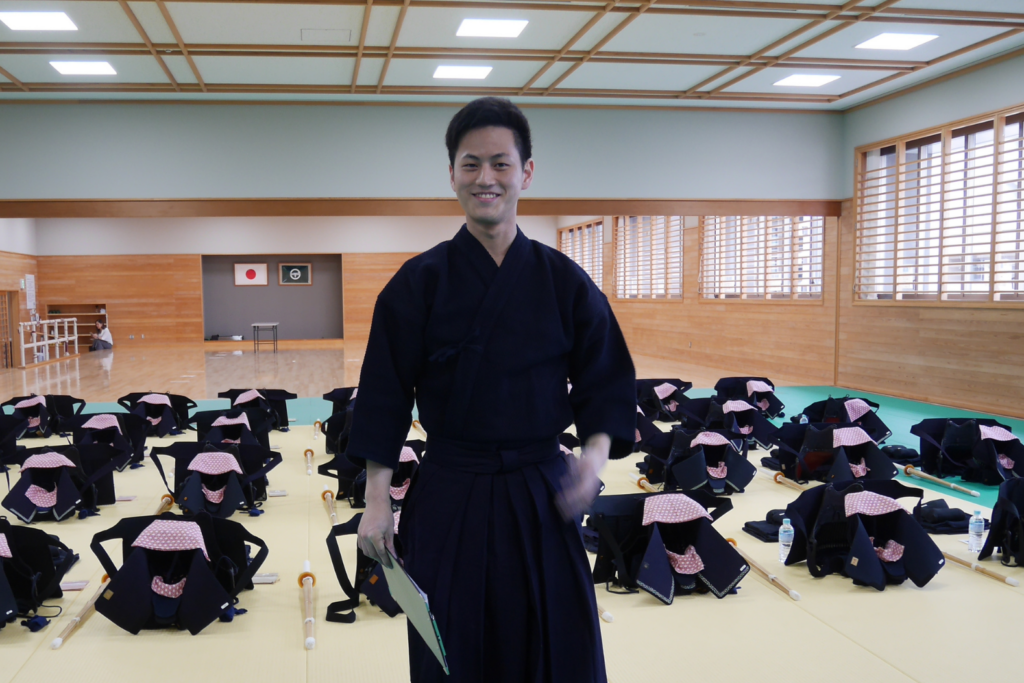
After returning to Japan, I found myself wondering what I should do next. I had devoted years to learning English, but I had also come to realize something important.
English was never the goal.
It was simply a tool for communication.
If that was true, then I needed to develop another skill.
The skill I chose was sales. It wasn’t because I had always dreamed of becoming a salesperson. I simply enjoyed talking with people, and I believed that the ability to communicate and build relationships would be valuable no matter what path I chose in life.
After several interviews, I accepted a position at a sales company in Tokyo. I wasn’t particularly attached to the company itself, but I was excited about starting a new chapter in a new city. Whether I stayed there for years or eventually changed careers didn’t matter. My only goal was to give everything I had.
I spent my days making countless phone calls and meeting potential clients. Within a short time, I consistently ranked among the top performers in the number of calls made and even achieved first place in appointments booked. Sales was never easy, but I threw myself into it completely.
Then, only three months after I joined the company, everything changed.
The company went bankrupt.
To make matters worse, I never received two months’ worth of salary.
Having just moved to Tokyo, I had already used most of my savings. To cover my living expenses, I had to borrow money simply to get by. Of course, I could have found another job. Instead, I found myself thinking, “Why don’t I try building something of my own?”
Using the business model of my former company as inspiration, I launched my own business. I made cold calls, visited potential clients, and did everything I could to sell the service I had created.
In the end, I didn’t make a single sale.
Even so, I have never regretted that experience. It taught me how difficult business truly is, but more importantly, it taught me to stop waiting for opportunities and start creating them myself.
To support myself financially, I also worked part-time at a fitness gym. One benefit of the job was free access to the gym, so after every shift I trained consistently. Before long, I was able to bench press 100 kilograms for two repetitions.
Then one day, everything connected.
I remembered my experience on the cruise ship. I remembered discovering Japan through the eyes of people from around the world. I remembered realizing how little kendo was known outside Japan. And I realized that I had spent nearly twenty years practicing kendo while also investing years in learning English.
What had always felt like separate chapters of my life suddenly became one story.
I thought, “Maybe my experience in kendo can help share Japanese culture with the world.”
That idea became the beginning of Kendo Spirit.
At first, I continued running it while working part-time. Only a few people joined each month, but little by little, the number began to grow. What encouraged me even more than the numbers was the reaction of the participants.
“Kendo is so much fun.”
“I was deeply moved by the emphasis on respect.”
“The spirit behind kendo is truly inspiring.”
Every time I heard those words, I felt that what I wanted to share could transcend language, nationality, and culture.
Yet the biggest change was happening within myself.
Through teaching, I rediscovered the joy of kendo.
After graduating from high school, I had sworn never to practice kendo again. Now, standing in front of students, I began seeing it from an entirely different perspective. The simple questions my participants asked became questions I had to ask myself.
“Why do we bow?”
“Why do we perform sonkyo?”
“What is Bushido?”
Sometimes, I realized I couldn’t fully explain the answers. So I researched, reflected, and discovered that every answer led to another question.
Teaching was no longer simply about passing on what I knew.
It became a process of continuing my own learning.
The more deeply I studied kendo, the more fascinated I became by its depth. It is far more than a martial art. Within kendo, I found not only technique, but also a philosophy of how to live as a human being.
Day by day, my desire grew stronger. I wanted to understand more, and I wanted to share more.
Eventually, one thought became impossible to ignore.
“This may be what I am meant to do.”
With that conviction, I left my part-time job.
Soon after, I founded Kendo Spirit Co., Ltd.
How I Think and Make Decisions
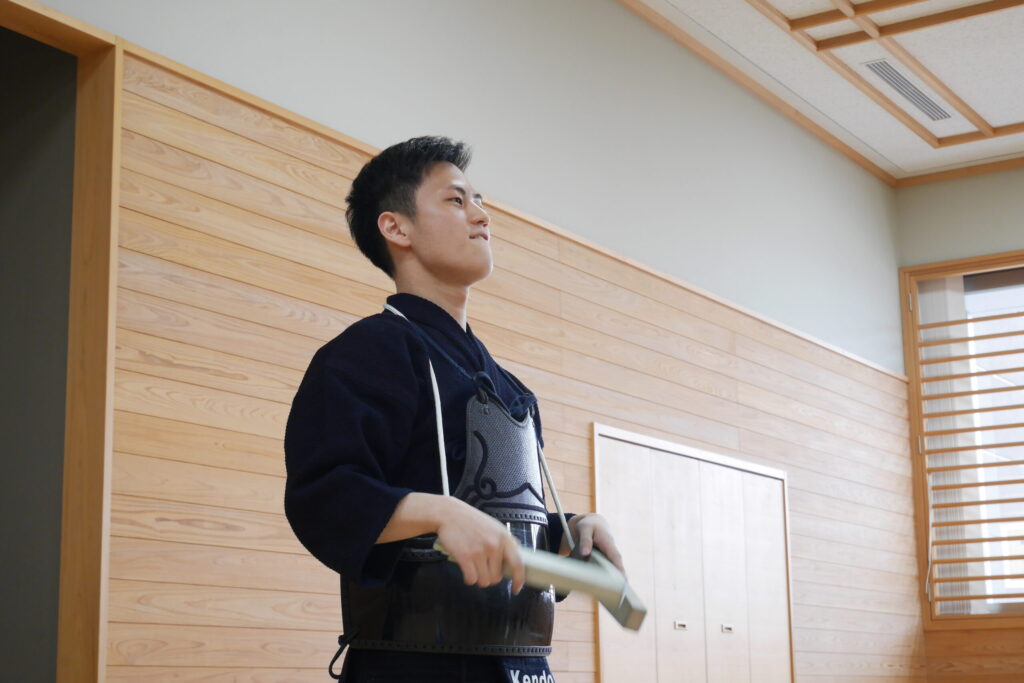
Looking back on my life, it may seem as though I have followed many different paths. I devoted myself to kendo, studied English, worked in sales, and eventually became an entrepreneur. At first glance, these experiences may appear unrelated.
But when I reflect on them, I realize they have all been guided by the same way of thinking.
First, define the purpose.
Then, work backward to determine the best approach.
Take action.
Reflect on the outcome.
And finally, discover the next purpose.
This cycle has shaped every major decision I have made, and I believe it will continue to guide the way I live my life.
Defining the Purpose
People sometimes tell me, “I don’t know what my purpose in life is.” Personally, I don’t believe most people begin life with a clear purpose. That is why I think it is important to keep asking yourself one simple question:
Why?
Imagine someone says, “I want to get into a good university.”
Why?
“Because I want to get a good job.”
Why?
“Because I want to earn more money.”
Why?
By repeatedly asking “why,” you gradually uncover a deeper purpose—one you may not even have been aware of yourself.
Once your purpose becomes clear, the path you should take often becomes much clearer as well. And if your purpose changes, the best way to achieve it may change too.
That is why, before I begin anything, I always try to understand why I want to do it.
Finding the Right Approach and Taking Action
Once my purpose is clear, the next step is to work backward and determine the best way to achieve it.
When I was in high school, I believed that hard work alone would always lead to success. Losing the final tournament changed that belief completely. I realized that effort itself is not enough. What matters is making the right effort toward a clearly defined purpose.
Since then, I have always worked backward from my goal before deciding what to do.
I also believe that willpower alone is unreliable. At least, I know mine is. People naturally seek comfort, and I am no exception. That is why I deliberately place myself in environments where growth becomes inevitable.
Attending one of Japan’s most competitive kendo high schools, immersing myself in an English-speaking environment, building a career in sales, and eventually starting my own business were never acts of courage for their own sake.
From the outside, these choices may look like bold challenges. To me, however, they were simply the most rational path toward the purpose I had chosen.
Reflecting on the Outcome
Whenever I reach a result—whether good or bad—I always take time to reflect. If there is something I could have done better, I learn from it and improve.
At the same time, life inevitably brings situations that are completely beyond our control: losing the most important match of my life, giving up my plans to study in the UK because of COVID-19, and watching the company I had just joined go bankrupt.
None of those events can be changed.
What can be changed is the meaning I choose to give them.
Rather than asking whether something was a success or a failure, I ask myself, “How can this experience help shape the rest of my life?”
If I had won that final high school match, perhaps I would never have developed the way of thinking that guides me today. If the company had never gone bankrupt, perhaps I would never have started Kendo Spirit.
I believe that life is shaped not simply by what happens to us, but by how we choose to understand those experiences and what we do with them afterward.
And Then, Discover the Next Purpose
A purpose is never permanent.
I believe it evolves throughout our lives.
Founding Kendo Spirit was never the final answer for me.
If anything, it became the beginning of even deeper questions.
What is the true essence of Japan?
What is Bushido?
Why kendo?
What values should Japan share with the world?
These are questions I continue to ask myself every day.
Perhaps life is not about finding all the answers.
Perhaps it is about continuing to ask the right questions.