-scaled-e1747969147355.png?1769322044 "Kendo Spirit")
-1-scaled-e1747969231809.png?1769322044 "Kendo Spirit")
You came to Japan, visited temples and shrines, and enjoyed shopping.
And yet, you might be feeling something like this:
“I want to experience Japan more deeply.”
Not just seeing culture, but actually feeling it.
If that thought has crossed your mind, this article may be worth reading.
What Does “Deep Japanese Culture” Really Mean?
Japan has an incredible variety of culture. Anime, sushi, sumo, tea ceremony, shrines. The list goes on.
But in this article, “deep Japanese culture” does not mean famous symbols or popular traditions.
It means something more fundamental. Culture that is deeply connected to the Japanese mindset.
Questions like:
Why are Japanese people so polite?
Why do people naturally form lines?
Why is bowing so important?
Behind these everyday behaviors lies a shared value system that even many Japanese people find difficult to explain.
That value system is Bushido.
By understanding Bushido, you may begin to understand how Japanese people think and act.
What Is Bushido?
Bushido can be translated as “the way of the warrior.” It is not a written law or a strict rulebook. Bushido developed naturally over many centuries as a way of life for the samurai.
It defined what was considered admirable and what was considered shameful. In other words, it defined what it meant to be “cool” or honorable as a samurai.
At its core, Bushido means living honestly with yourself.
Doing what you believe is right. Not doing what you believe is wrong. Showing kindness to others and helping when you feel you should. Avoiding actions that cause trouble or discomfort to others.
Breaking rules for selfish reasons or disturbing harmony was considered shameful. On the other hand, acting with courage and integrity was worthy of respect.
And the place where Bushido can still be felt most directly is Kendo.
What Is Kendo?
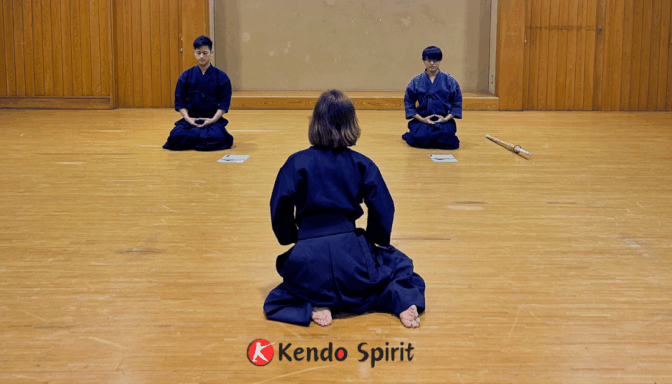
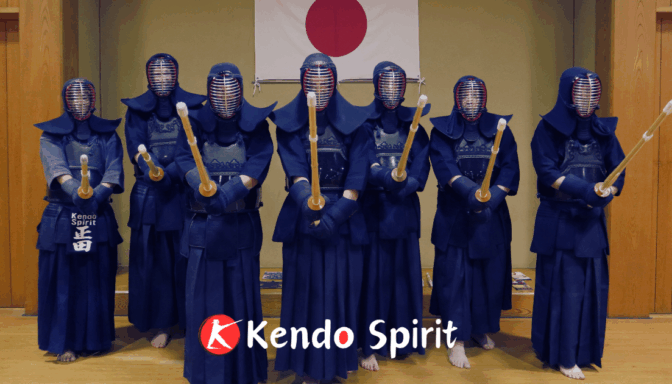
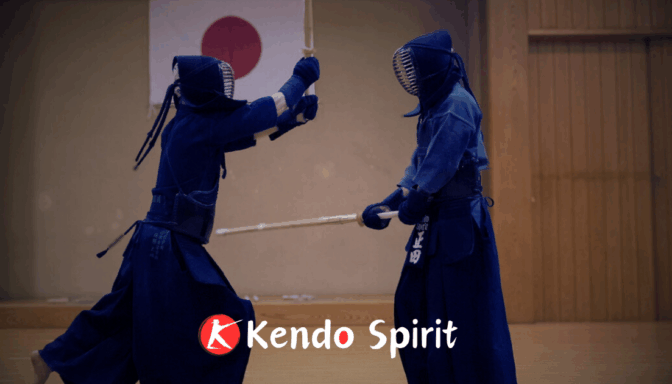
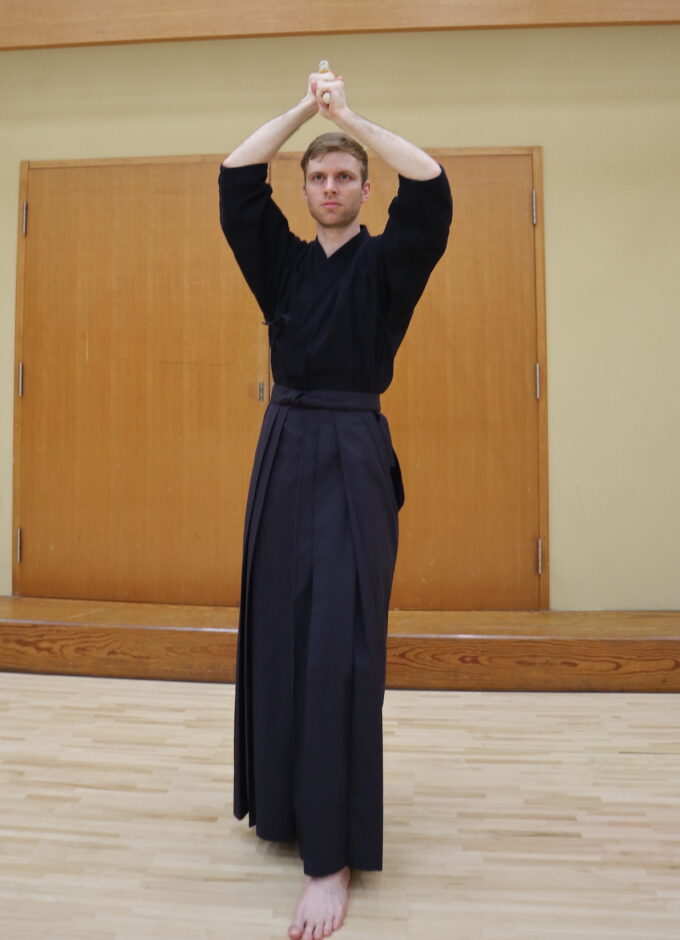
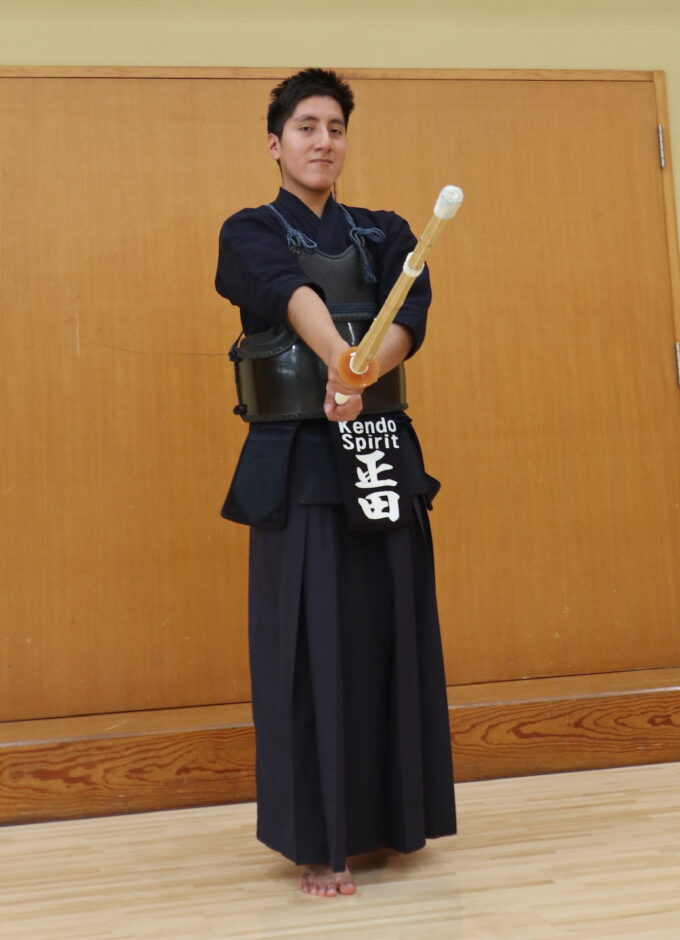
Kendo literally means “the way of the sword.” It originated as one of the training methods samurai used to master swordsmanship.
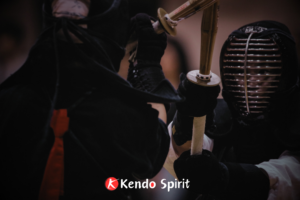
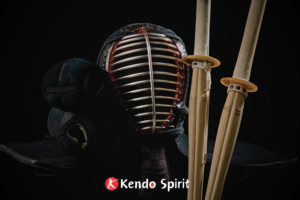
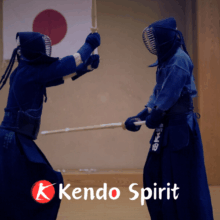
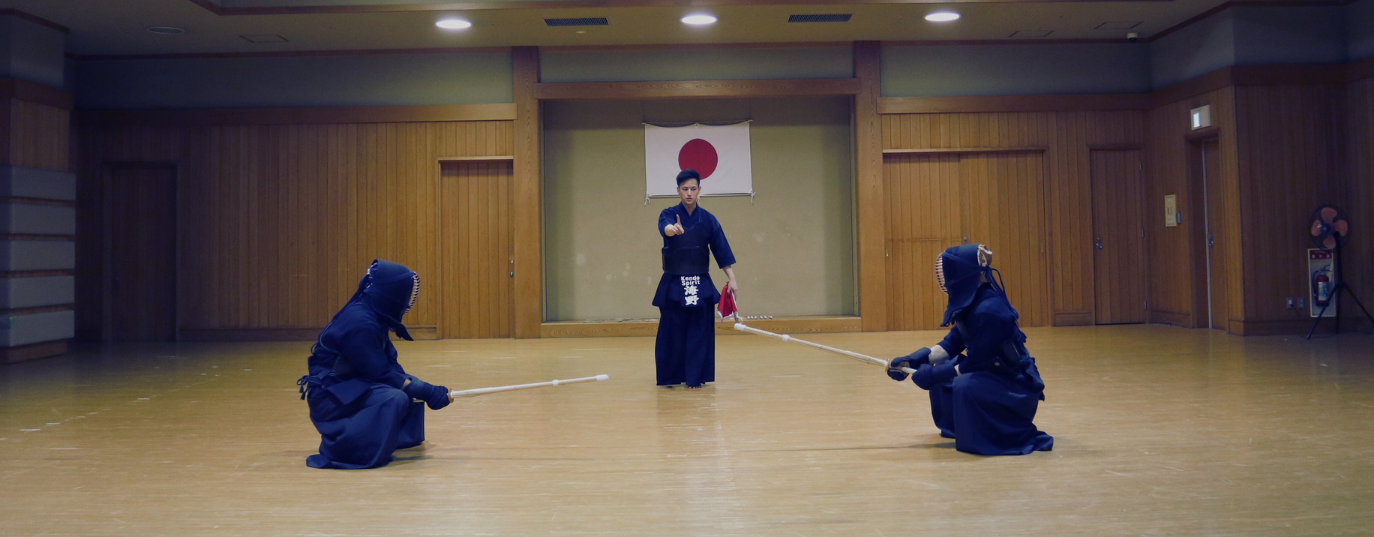
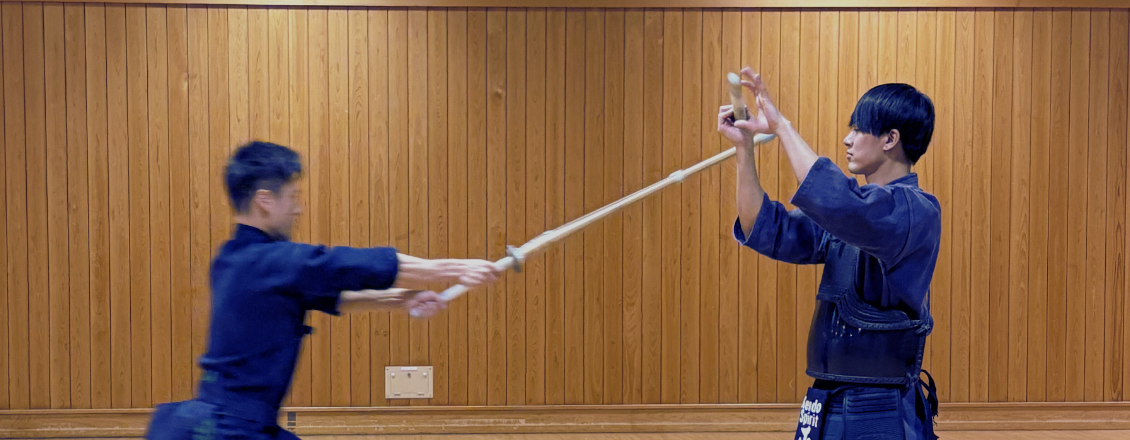
Practitioners wear protective armor and use bamboo swords to strike specific target areas.
In Japan, Kendo is not considered a sport. Like Judo and Karate, it belongs to Budo, the traditional martial disciplines.
The purpose of Budo is not simply technical improvement.
The goal of training is not just to become skilled with a sword, but to become a better human being.
This mindset, improving oneself through discipline and respect, is deeply connected to Bushido and has shaped Japanese values over time.
Why Kendo, Among All Martial Arts?
There were many ways samurai trained with swords. Some used real blades. Others focused on precise forms and posture.
So why Kendo?
Because among these practices, Kendo most clearly embodies the spirit of Bushido. A sword is a weapon that can take a life. Samurai possessed the power to both protect and kill. Because of this power, they were expected to hold themselves to extremely high ethical standards.
How you handle the sword reflects your inner state. You cannot train the sword without training the mind.
Kendo training also cannot exist alone. It requires a partner.
To grow, you must respect the other person and train with consideration. Self-centered training is impossible.
And in Kendo, superficial morality does not work.
Matches are decided in an instant. There is no time to think.
Under pressure, if even a moment of fear or desire takes control, everything collapses.
What is required is not an intellectual understanding of “correct behavior,” but a genuinely balanced mind where fear and ego do not arise.
Not just understanding Bushido, but embodying it. That is something only Kendo can offer.
Experiencing Kendo in Japan
To put it simply:
Experiencing Kendo in Japan can lead to a deeper understanding of Japanese culture. It is a way to touch the deeper side of Japan.
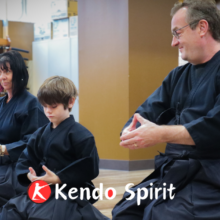
Normally, Kendo training is conducted in Japanese and practiced only among Japanese practitioners. However, there is a rare opportunity to experience Kendo in English, near Tokyo Station.
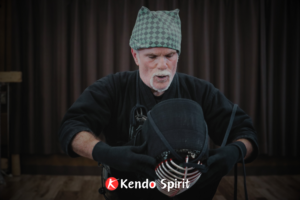
Led by a Kendo instructor who has competed at Japan’s highest level and trained for 20 years, this two-hour session condenses decades of experience into a carefully guided practice.
The focus is on mindset rather than intense physical training. The activity level is light, so even those who are not athletic can participate comfortably.
And if you have the energy and curiosity, you can even challenge the instructor directly.
This may become one of those moments in your journey where Japan stops being something you observe, and becomes something you truly understand.
It could be the highlight you remember long after your trip ends.

Comment