-scaled-e1747969147355.png?1775219269 "Kendo Spirit")
-1-scaled-e1747969231809.png?1775219269 "Kendo Spirit")
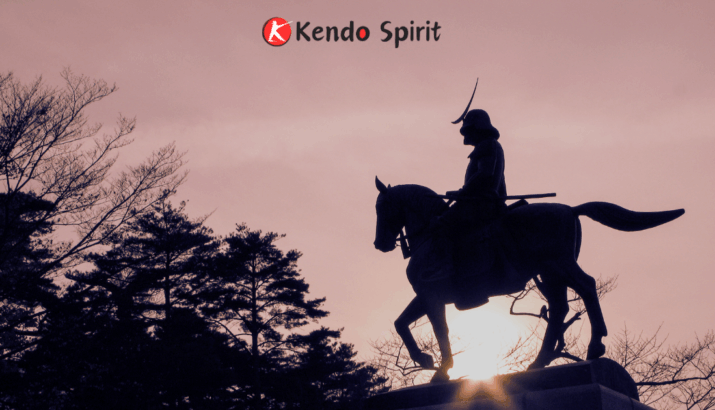
Bushido is still alive in Japan today. It is the traditional code of the samurai, shaping their values, philosophy, and way of life. Even now, its influence can be seen in practices like kendo and in everyday Japanese culture.
Bushido is written in Japanese as 「武士道」, meaning “the way of the warrior.” Literally, it refers to the path a warrior was expected to follow. Shaped over a long period of time, Bushido is not simply an idea from the past. It has also been one of the elements that helped shape the Japanese mindset and culture.
But was Bushido a set of rules created by someone? What happened if a samurai broke those rules? And are the words bushi and samurai actually the same?
Let’s take a closer look.
Defining Bushido

There Is No Single Answer
To begin with, what is Bushido? In fact, there is no absolute answer. Bushido was not a code formally written down as fixed rules. Instead, it was passed down through oral teachings and the words of warriors and scholars, gradually taking shape among the samurai over time.
For this reason, the question “What is Bushido?” still does not have a single definitive answer.
Important Texts on Bushido
When discussing Bushido, several writings are often regarded as representative works. Among them are The Book of Five Rings by Miyamoto Musashi and Hagakure, a collection of the sayings of Yamamoto Tsunetomo compiled by Tashiro Tsuramoto.
Another well-known work is Bushido: The Soul of Japan by Nitobe Inazō, which introduced Bushido to the world in a clear and accessible way and is widely known as a reference point in discussions of Bushido.
These writings, each from different periods and perspectives, convey the values and way of life of the samurai.
The Idea of Bushido

A Code of Conduct for the Samurai
Simply put, Bushido was a code of conduct for the samurai, a guide to the ideal way of living and the direction they were expected to pursue.
In an age when warriors fought at the risk of their lives, the ability to follow what one believed to be right, even in the face of death, was considered the truest form of honor.
Who Were the Samurai?
The word samurai originally comes from the verb saburau, meaning “to serve.” It was first used to refer to those who served the nobility.
Over time, the meaning of the word changed, and today it is most commonly used to refer to Japanese warriors who carried swords. In this article, the term samurai is used in this sense.
What Is the Right Path?
To speak of “following the right path” does not mean that there is a single, clear answer to what is right. In reality, samurai each held their own beliefs and fought, at times risking their lives in accordance with those beliefs. If there had been only one correct path, conflict itself might never have arisen.
What they sought was a life in which they remained true to what they believed to be right, even at great personal risk. However, this does not mean that violence or death should be justified in the name of one’s beliefs.
Bushido According to Nitobe Inazō
In his book Bushido: The Soul of Japan, Nitobe Inazō explains that Bushido is built upon seven virtues: rectitude, courage, benevolence, sincerity, respect, honor, and loyalty.
For those who are interested, the book itself is well worth reading. In simple terms, these virtues describe fundamental ways of living as a human being: not taking what belongs to others, being considerate of others’ feelings, telling the truth, showing respect, and living according to one’s principles.
Bushido may sound complex or distant at first, but at its heart it may simply be a question of how to live as a human being, and whether one can live a life one can be proud of.
Bushido Is Not Only for Samurai
As can be seen in The Book of Five Rings, Bushido is not something that belongs only to samurai or swordsmen. Miyamoto Musashi was a swordsman because of the time in which he lived, but the essence of his thought goes beyond swordsmanship itself.
At its core, his teaching is about pursuing one’s chosen path to the highest level, refining both skill and character, and growing as a human being, no matter what path one follows.
For this reason, Bushido can be understood not only as the way of the samurai, but also as a way of life that anyone can follow.
Formation of Bushido

How Did Bushido Develop?
How Bushido took shape cannot be explained by a single factor, and there is no absolute answer. It is generally believed that Bushido developed gradually over a long period of time through the combination of several influences, including the role of the Emperor, the feudal system, and the social environment of the Edo period.
The Role of the Emperor
Some people believe that it is difficult to speak about the Japanese spirit without considering the presence of the Emperor. For many Japanese, the Emperor has been understood as a figure different from a god or a king, a presence who has quietly watched over Japan and its people.
The sense of being watched over in this way may have encouraged people to reflect on how they themselves should live as members of their country and society.
Within this way of thinking, it is often said that in Japan, values such as placing importance on society and community over individual desire, and maintaining self-discipline, gradually developed. This emphasis on discipline may have been one of the earliest foundations of what later came to be called Bushido.
To what extent the Emperor directly influenced the formation of Bushido is not entirely clear. However, reflecting on this relationship may offer a deeper understanding of Japan and the mindset of its people. Those who are interested may find it worthwhile to explore this subject further.
These values would later take on a more concrete form as the samurai came to play central roles in society.
The Feudal System
A Society Built on Trust
About a thousand years ago, samurai began to play central roles in Japanese society within the framework of the feudal system. In this system, retainers served their lords, and in return were granted land or income.
Unlike today, systems of law and formal contracts were not fully developed, and it was impossible for lords to constantly monitor retainers who lived far away. As a result, relationships within this system depended greatly on trust.
In such a society, losing trust could mean losing one’s place and finding it difficult to continue living within the social order. For this reason, keeping one’s word, maintaining self-discipline, and showing respect toward others came to be highly valued.
Duty and Loyalty
At the same time, some lords sought to build a better Japan through their leadership, and samurai chose to support those whom they believed were necessary for the country. Supporting such a lord was not only a personal duty but also a way of contributing to the future of the nation.
Placing one’s own life or personal gain above one’s duty could therefore be seen as selfish. Loyalty came to be understood not simply as devotion to an individual, but as a responsibility connected to the greater good of society.
The Roots of Bushido
In this way, values such as trust, loyalty, respect, and self-discipline gradually formed the foundations of what later came to be known as Bushido. As Japan entered the Edo period, these ideas began to take on clearer and more widely recognized forms.
The Edo Period (1603–1868)
During the Edo period, samurai came to occupy high positions in society as officials and administrators. They also played roles similar to those of police, carrying swords and helping to maintain order in towns.
Because they held high status and carried weapons, selfish behavior or poor conduct could have a serious impact on social order. Precisely because their authority was great, strong expectations were placed on their character and behavior in order to preserve stability in society.
The Edo period was also a time of long-lasting peace. Rather than proving themselves through battlefield achievements, samurai increasingly faced questions about how they should live and what kind of people they ought to be.
Because they lived in a peaceful era while holding high status, the idea of striving to become a better person for the sake of society gradually developed. This way of thinking, which emphasized personal cultivation, may have contributed to the form of thought that we now call Bushido.
In the presence of the Emperor, a spirit that valued discipline had taken root. Within the feudal system, a society sustained by trust shaped ideas about how people should relate to one another. And in the environment of the Edo period, the idea of personal cultivation was further developed.
In this way, the form of thought that we now call Bushido may have gradually taken shape over time.
Bushido Today

The Meiji Period (1868–1912)
With the beginning of the Meiji period, reforms such as the Haitōrei (the Edict Abolishing the Wearing of Swords) brought an end to the samurai class system, and carrying swords was prohibited. As a result, the samurai class disappeared from society, and Bushido also faced the risk of fading away.
However, the spirit that samurai had valued did not completely vanish. The training methods through which they had practiced swordsmanship gradually took on a new form as kendo, a martial art based on the principles of Bushido and aimed at personal development. In this way, the spirit of the samurai was carried forward.
Although the samurai themselves disappeared, their spirit has been passed down to the present day through the practice of budo.
Bushido and Kendo
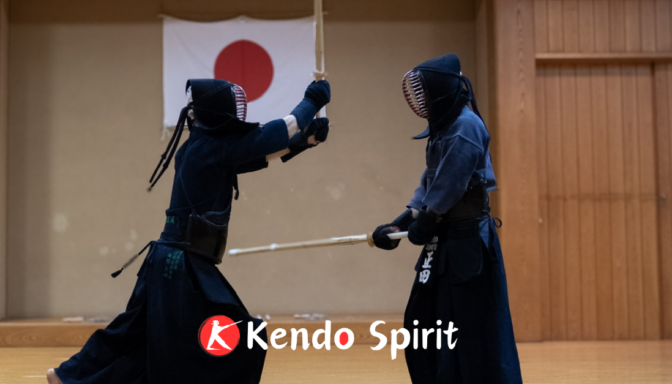
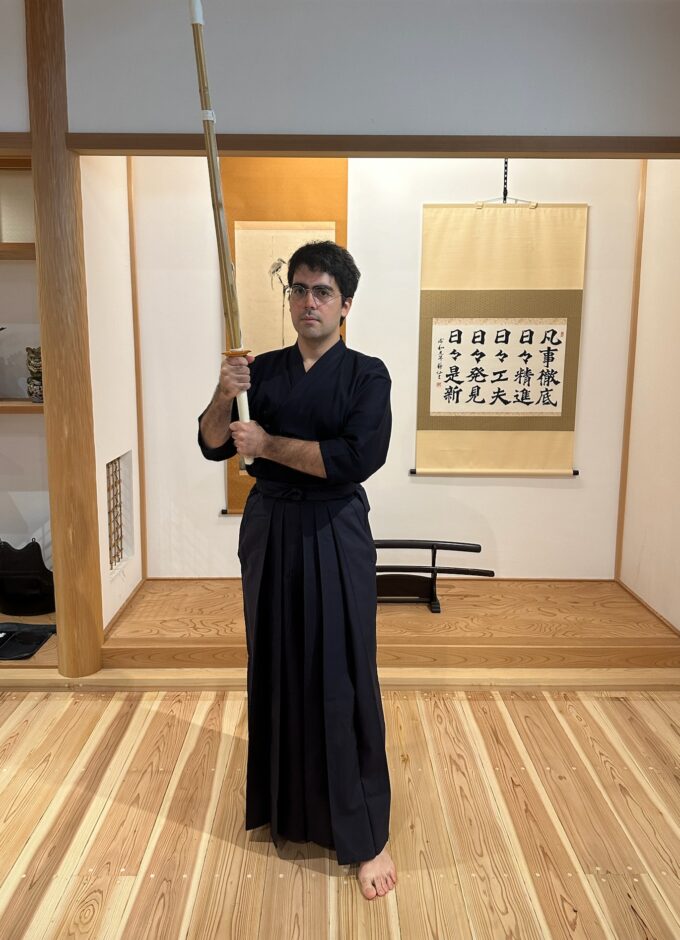
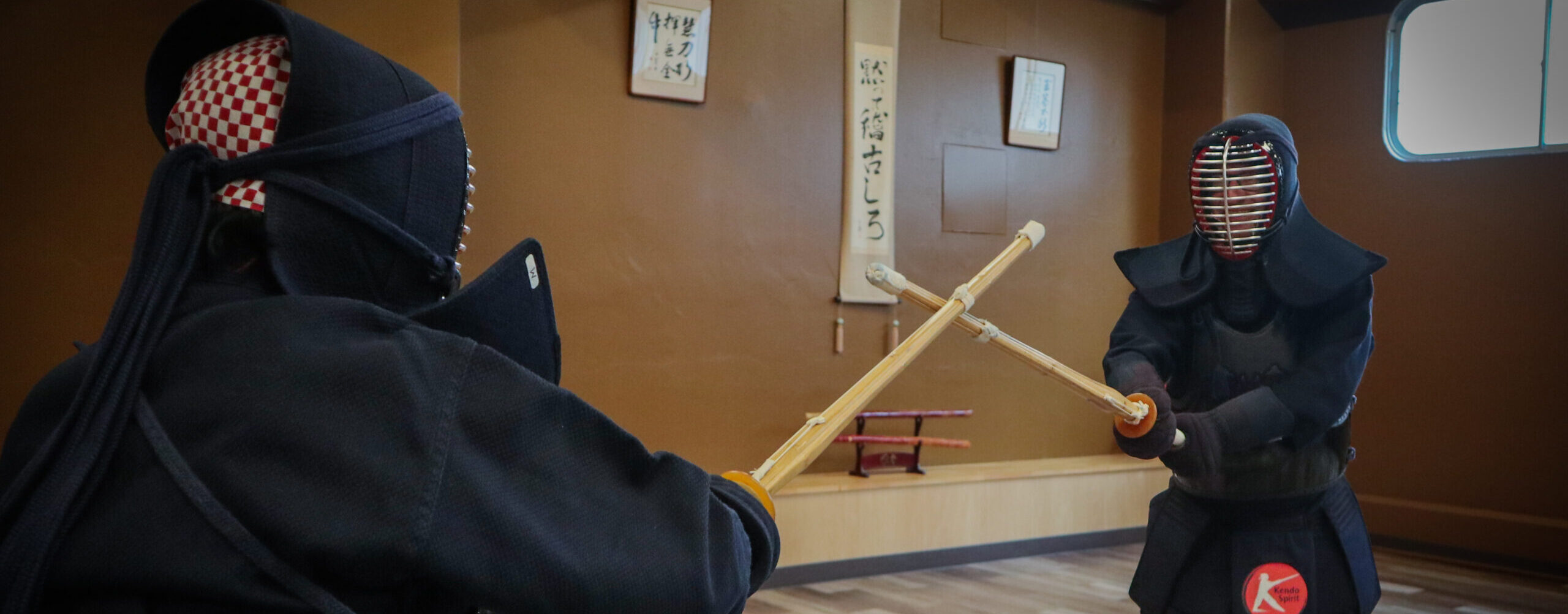
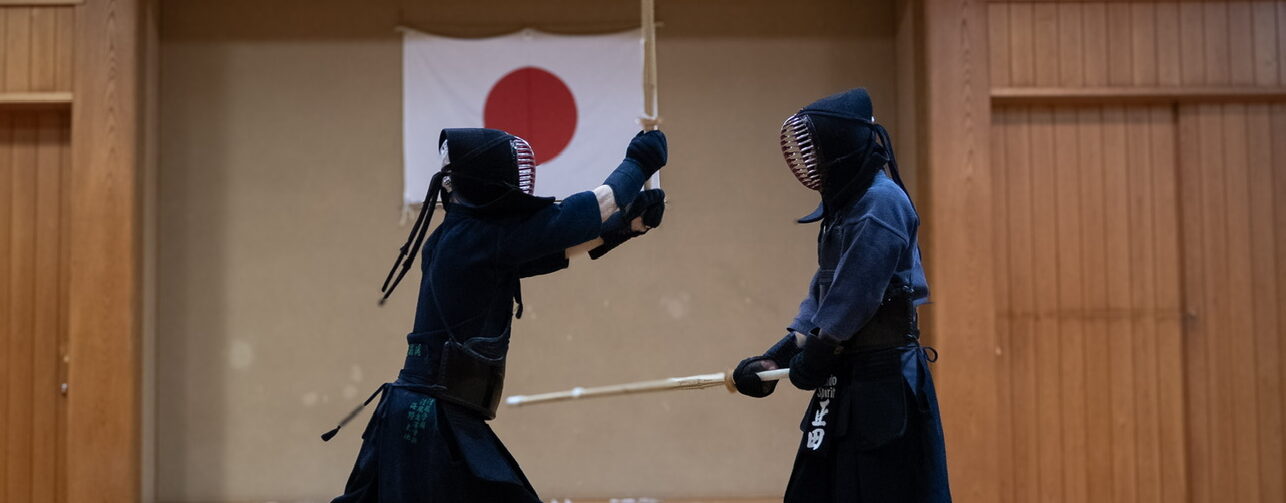
Even today, kendo preserves the spirit of Bushido in a very visible way. Before and after practice and matches, practitioners always bow, and the idea that “kendo begins with respect and ends with respect” is deeply valued. Respect for one’s opponent, self-discipline, and the desire to grow as a person through training are all elements of the spirit that the samurai once held dear, and they continue to live on in kendo today.
The samurai themselves no longer exist. However, among those who continue to train and refine their mind and technique through kendo, the spirit that the samurai valued may still be quietly alive.
In that sense, they may be called the samurai of today.
The Meaning of Bushido Today
Bushido is often associated with the samurai of the past, but its meaning is not limited to history.
At its heart, Bushido can be understood as a way of thinking about how one should live, act with integrity, and relate to others within society.
Although the samurai themselves no longer exist, the values associated with Bushido continue to influence Japanese culture and traditions today.
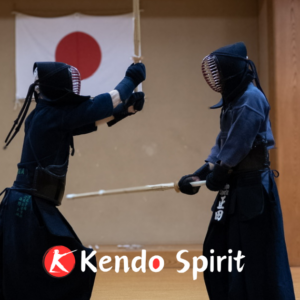
Experience Bushido in Tokyo

Bushido is a way of thinking and living that becomes clearer through experience.
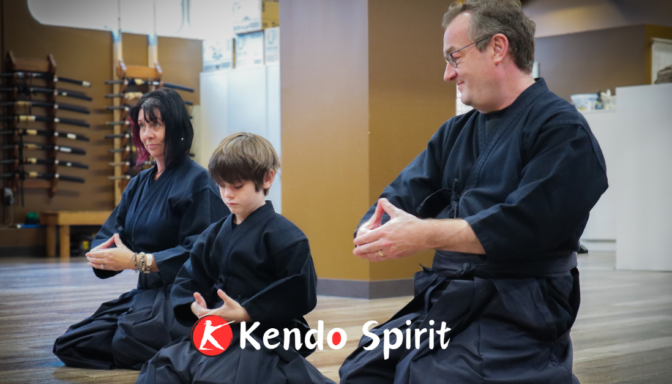
In Tokyo, there is a place where you can experience Bushido directly.
This program focuses not on technique, but on the spirit of Bushido. Through etiquette, discipline, and mindful training, participants experience the mindset that samurai once valued.
Because Bushido has many interpretations and can be difficult to understand, real kendo practitioners—the samurai of today—present a clear and practical interpretation rooted in real training.
If you are interested in experiencing this spirit for yourself, you can learn more here.
Comment