-scaled-e1747969147355.png?1771197462 "Kendo Spirit")
-1-scaled-e1747969231809.png?1771197462 "Kendo Spirit")
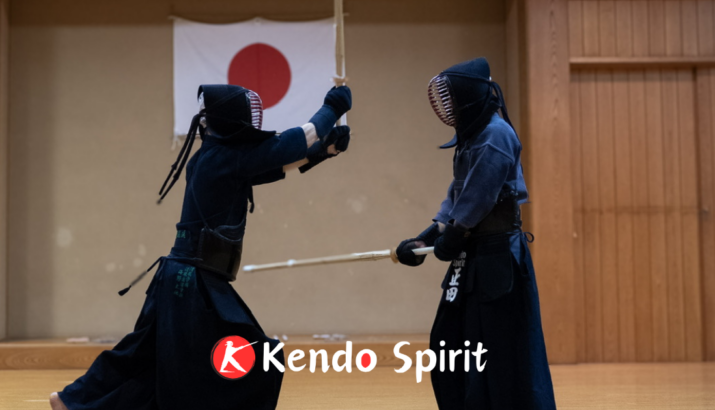
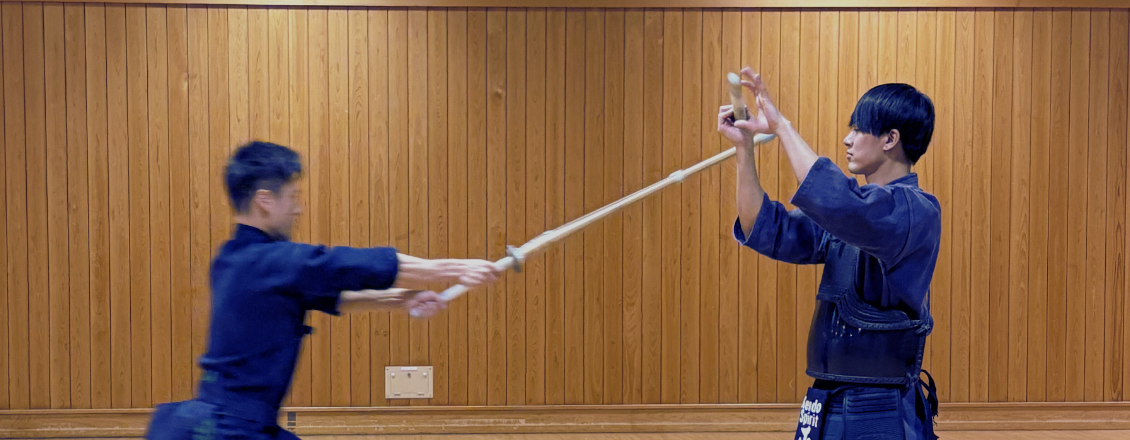
Kendo is a traditional Japanese martial art that developed from the sword training of the samurai and carries the spirit of Bushido into the present day. Practitioners wear protective armor and use bamboo swords to strike designated target areas, training in the principles of the Japanese sword.
Today, competitions are held in Japan and around the world, and kendo practitioners train hard to improve and win. However, the purpose of kendo practice is not to defeat an opponent.
So what exactly is kendo? Let’s take a closer look.
Equipment
Armor
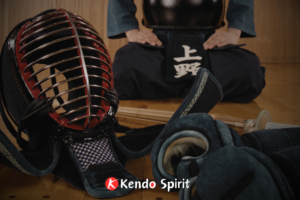
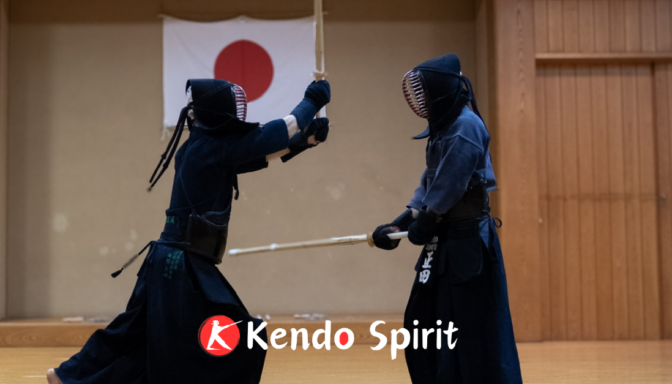
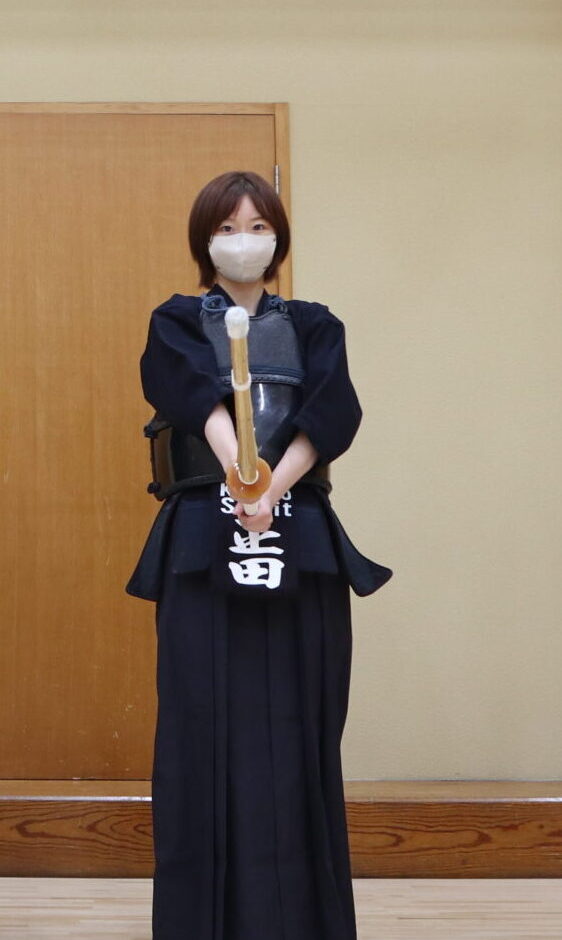
Kendo armor consists of four main pieces: men, which protects the head; kote, which protect the hands; do, which protects the torso; and tare, which protects the lower abdomen.
Clothing
Under the armor, practitioners wear traditional training clothing called dogi and hakama. These garments are made of thick fabric and also help absorb some of the impact.
Shinai
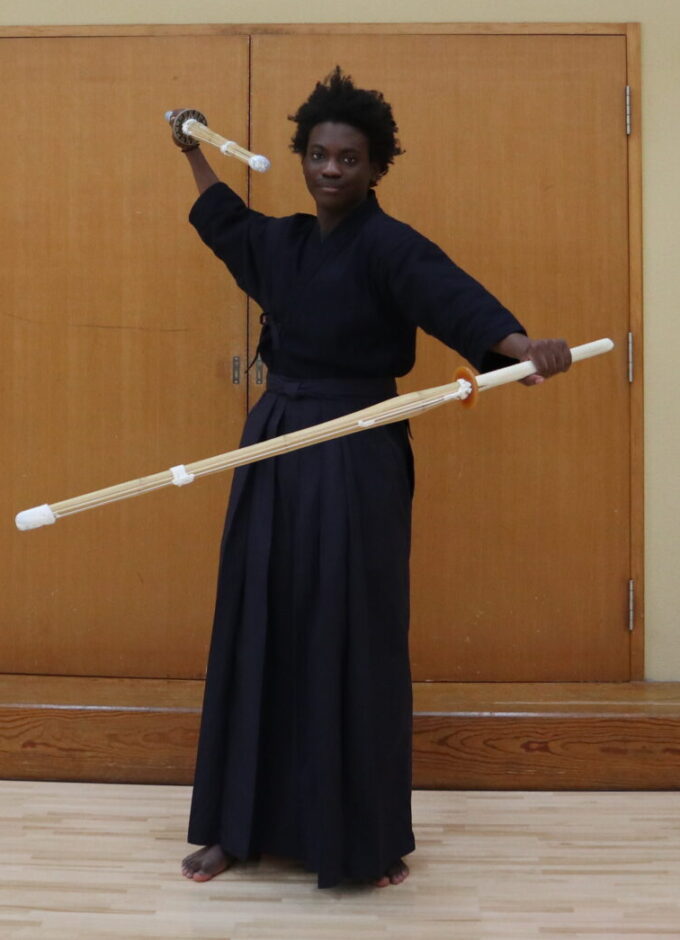
The bamboo sword used in kendo is called a shinai, which allows practitioners to practice powerful strikes safely.
Rules
Match Format
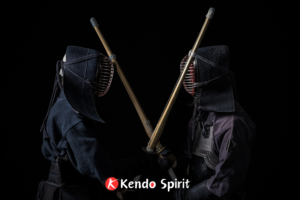
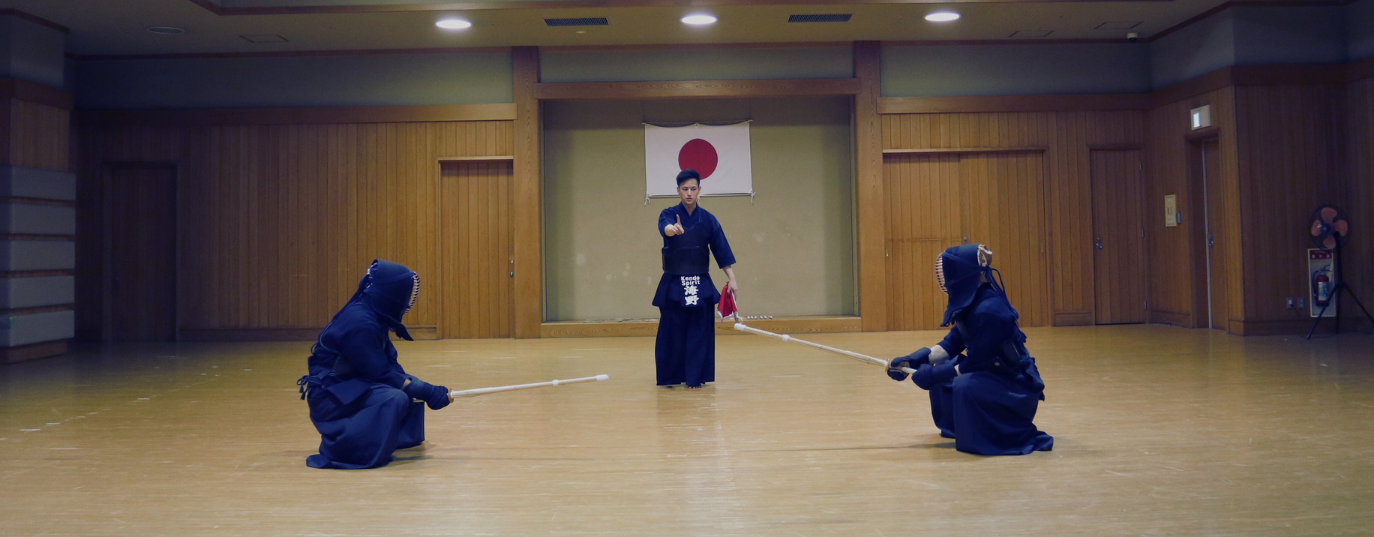
Kendo matches are basically fought in a three-point format. Within a time limit, usually around five minutes, the first person to score two points wins. If a winner is not decided within the time limit, the competitor who already has one point, or who scores a single deciding point, wins.
Target Areas
There are four target areas in total where points can be scored: head, wrists, torso, and throat.
What Makes a Valid Strike
Hitting a target is not enough to score a point. To score a point, the unity of spirit, sword, and body (ki-ken-tai-itchi) is required. In other words, a practitioner must strike a valid target with sufficient strength using the shinai, while having strong spirit and putting body weight into the strike.
In essence, a strike must have the power and form that would be capable of cutting through bone with a real sword, which is why these three elements must come together at the same time.
Fouls and Penalties
There are various types of fouls. For example, stepping out of bounds or dropping the shinai results in one penalty. If a competitor receives two penalties, one point is awarded to the opponent.
If a practitioner behaves in a disrespectful manner toward referees or an opponent, two points are awarded to the opponent, resulting in immediate defeat.
Etiquette
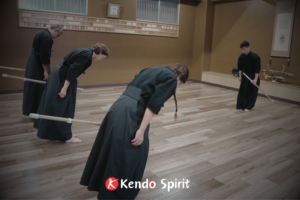
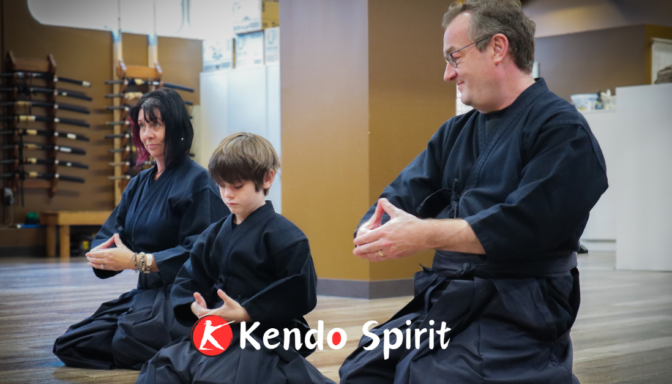
Respect and etiquette are an essential part of kendo. Practice begins and ends with a bow, showing respect to instructors, training partners, and the dojo.
In kendo, your opponent is not an enemy but a partner who helps you improve. Even after an intense match, practitioners bow to each other as a sign of respect.
Purpose
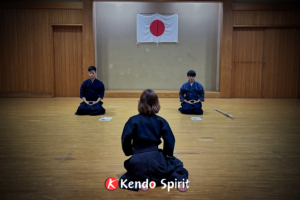
In kendo, practitioners strive to win, but victory itself is not the ultimate purpose.
Kendo is a path of personal development. Through the practice of kendo, one seeks to cultivate the mind, refine technique, strengthen the body, and grow into a better human being.
Through matches, practitioners become aware of their own shortcomings and return to training with renewed effort. At the same time, such training and matches are only possible because of one’s opponent, equipment, and the dojo environment. For this reason, practitioners learn to feel gratitude toward their opponents, their equipment, and the environment that allows them to walk this path of self-development.
Although victory is pursued, competition is only a means, not the end. Kendo is not a path to defeat others, but a path to improve oneself.
History
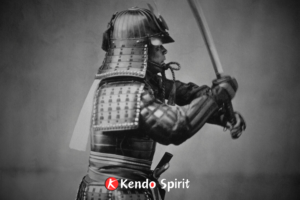
Origins of the Japanese Sword
Kendo’s history begins with the emergence of the katana, the traditional Japanese sword.
The curved, single-edged style of the Japanese sword was developed in the mid-Heian period (794–1185).
In the age of the samurai, combat was a matter of life and death, and it was essential to train in the use of the sword. However, practicing with real swords made partner training extremely dangerous, so practitioners began using wooden or bamboo swords. Even then, training could still be painful and unsafe, which led to the development of protective armor.
Development During the Edo Period
During the Edo period, protective armor and bamboo swords were further refined and widely adopted. This allowed practitioners to train more safely while still practicing realistic techniques, and gradually shaped what would become modern kendo.
The Birth of Modern Kendo
After the age of the samurai came to an end, Bushido faced the risk of disappearing. In order to preserve its spirit for future generations, the term “kendo” was officially adopted in 1912.
In 1970, the International Kendo Federation was founded, and the first World Kendo Championships were held in Tokyo.
Kendo Today
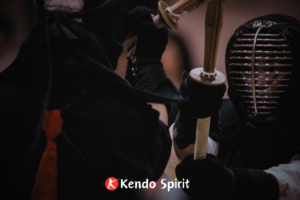
Is Kendo Still Practiced in Japan?
Yes. Kendo is still widely practiced in Japan, especially in schools, universities, and local clubs. It is also practiced in many countries around the world, and international tournaments are held regularly.
Today, an estimated 2.5 million people worldwide have practiced kendo, with more than 70 percent of them in Japan.
The Changing Situation of Kendo
In Japan, the number of practitioners has been gradually decreasing, and in some places overseas, kendo is sometimes understood mainly as a sport or simply as sword fighting, with less attention given to its deeper purpose of personal growth.
Traditionally, kendo has been more than competition. It is a path of training aimed at developing discipline, respect, and character. Many of the most important lessons of kendo are not learned in a single match, but through years of practice, repetition, and reflection.
For this reason, it is important to continue sharing not only the techniques of kendo, but also its spirit. Without understanding the values behind the practice, kendo risks being reduced to technique alone.
The Samurai of Today
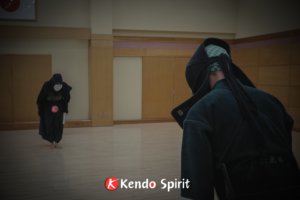
The sword training shaped by the samurai was reborn as kendo in order to carry Bushido into the present day. The samurai no longer exist, but the swordsmanship they left behind lives on in kendo, and the spirit they left behind lives on in Bushido.
Those who continue to pursue both may, in a sense, be the samurai of today.
Experience Kendo in Tokyo
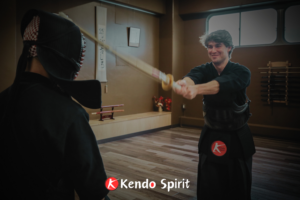
If you want to understand kendo not only with your head but with your body, the best way is to step into a dojo and train. At Kendo Spirit in Tokyo, you can experience real kendo training and discover the spirit behind the art.
Many people first become interested in kendo out of curiosity, but leave with a deeper understanding of discipline, respect, and themselves.


Comment